
joliekyte@gmail.com
What is Bushcraft? An In-Depth Guide to Mastering Wilderness Skills

What is Bushcraft? An In-Depth Guide to Mastering Wilderness Skills
Bushcraft, a term that might sound rugged and mysterious to some, is more than just surviving in the wilderness; it’s about thriving in it. Derived from the phrase “bush” (a term for wilderness areas) and “craft” (referring to skills or techniques), bushcraft embodies a set of skills, knowledge, and attitudes essential for living harmoniously with nature. Whether you’re an outdoor enthusiast, a survivalist, or someone curious about self-reliance, understanding bushcraft can deepen your connection to the natural world and equip you with valuable life skills.
The essence of bushcraft, its history, basic abilities, advantages, and how to begin practicing will all be covered in this tutorial. Let’s dive in!
The Origins and Evolution of Bushcraft
Bushcraft has its roots in the survival techniques of indigenous peoples across the globe. Long before modern conveniences, humans relied on their ability to interact with their environment to secure food, water, and shelter. These survival skills were passed down through generations and adapted to specific regions—from the Australian Outback to the dense forests of North America. Indigenous communities honed their knowledge of the land, using it to survive and create thriving cultures deeply connected to nature. They understood how to track animals, identify medicinal plants, and build resilient shelters, all without the tools and technologies we take for granted today.
In modern times, bushcraft has become a recreational activity and a lifestyle choice for many. Popularized by survival experts like Mors Kochanski, Ray Mears, and Les Stroud, bushcraft is now viewed as a way to reconnect with nature, practice sustainability, and develop resilience. These experts have brought traditional skills to a broader audience, inspiring people to embrace self-reliance and outdoor adventure. Additionally, bushcraft has found its place in educational curriculums and survival training programs, ensuring these valuable skills are passed on to future generations.
Key Bushcraft Skills
To understand bushcraft, it’s essential to familiarize yourself with its core skills. These techniques focus on using natural resources efficiently and responsibly:
Shelter Building
A sturdy shelter is vital for protection against the elements. In bushcraft, shelters are typically constructed using materials found in the environment, such as:
- Debris huts are made from branches, leaves, and moss.
- Lean-tos are supported by tree trunks and covered with foliage.
- Snow caves or igloos in cold climates.
The ability to quickly assess your surroundings and construct an appropriate shelter can make all the difference in extreme conditions. For example, a well-insulated debris hut can trap body heat during a cold night, while a lean-to can shield you from rain or sun. Learning to adapt your shelter to the environment—whether it’s a forest, desert, or arctic tundra—is a critical part of bushcraft. Practice constructing different types of shelters in various settings to gain confidence and skill.
Firecraft
Fire is central to bushcraft. It provides warmth, cooks food, sterilizes the water, and wards off predators. Mastering fire craft involves:
- Identifying dry tinder (e.g., birch bark, dry grass, or fatwood).
- Using tools like fire steels, flint, or bow drills.
- Building fire structures such as the teepee or log cabin setup for efficient burning.
Creating fire requires more than technical skill; it demands patience, observation, and adaptability. For instance, damp conditions may require you to search for tinder that burns even when wet, such as resinous wood. Practicing fire-starting in various weather conditions helps build confidence and ensures you can rely on this essential skill when needed.
Foraging and Hunting
Bushcraft emphasizes the sustainable harvesting of natural resources. Skills in foraging involve identifying edible plants, fungi, and berries while avoiding toxic species. Hunting and trapping, using methods like snares or fishing lines, provide protein-rich food sources.
Foraging is not just about finding food but understanding the ecosystem and its cycles. Knowing when and where to find specific plants requires careful observation and study. Hunting involves tracking animals, understanding their behavior, and setting traps that minimize suffering. Both practices demand ethical considerations and respect for the environment to ensure the sustainability of local wildlife populations.
Water Sourcing and Purification
Access to clean water is crucial. Bushcraft teaches methods to:
- Locate natural water sources, such as streams or rainwater.
- Purify water using boiling, filtration, or chemical treatments.
- Collect dew or create solar stills in arid regions.
Understanding the signs of water availability, such as specific plant types or animal tracks, can guide you to hidden sources. Purification techniques are equally essential, as untreated water may contain harmful pathogens. Practice using portable water filters, learning to construct sand-and-charcoal filtration systems, and boiling water efficiently. These skills can prevent dehydration and illness in survival situations.
Navigation and Orientation
Understanding the terrain and navigating without GPS is a cornerstone of bushcraft. Skills include:
- Reading topographical maps.
- Using a compass or observing celestial navigation (e.g., the North Star).
- Interpreting natural signs like moss growth or animal trails.
Navigation skills can mean the difference between safety and peril in the wild. Combining modern tools, like compasses, with traditional techniques, such as using the sun’s position or star constellations, ensures you can find your way even when technology fails. Developing this skill requires practice and a deep understanding of your environment.
Tool Making and Maintenance
Crafting and maintaining tools from natural materials is a practical and rewarding aspect of bushcraft. Examples include:
- Carving wooden utensils.
- Creating cordage from plant fibers.
- Sharpening knives and axes to keep them functional.
Tool-making connects you to ancient traditions while honing your creativity and problem-solving abilities. Start with simple projects, like carving a spoon, and progress to more complex tools, such as bows or traps. Regular maintenance ensures your tools remain reliable, even under challenging conditions.
The Philosophy of Bushcraft
Bushcraft isn’t just about survival; it’s a philosophy of living in harmony with the land. Practitioners often emphasize:
- Sustainability: Respect for nature and responsible resource use are paramount. This means only taking what you need and leaving no trace.
- Self-Reliance: Bushcraft encourages independence, teaching individuals to rely on their skills and instincts rather than modern technology.
- Mindfulness: Being in nature fosters a sense of peace and awareness. Practicing bushcraft helps you tune into your surroundings and appreciate the small details of the wilderness.
Sustainability is critical in bushcraft, as the goal is to minimize human impact on natural ecosystems. Self-reliance builds resilience and confidence, empowering you to handle unexpected challenges. Mindfulness, meanwhile, transforms bushcraft into more than a skill set—it becomes a meditative practice that nurtures your mental and emotional well-being.
Why Learn Bushcraft?
Bushcraft offers numerous benefits that go beyond the practical skills it imparts. Here are some reasons why you should consider learning bushcraft:
Enhanced Survival Skills
Bushcraft equips you with the knowledge to handle emergencies in remote areas. Whether you’re lost on a hike or facing a natural disaster, these skills can save your life. Knowing how to create shelter, find water, and start a fire can stabilize dangerous situations until help arrives or you find your way to safety.
Connection to Nature
In a world dominated by screens and urbanization, bushcraft provides a way to reconnect with the natural world. It’s an opportunity to unplug and immerse yourself in the serenity of the outdoors. Observing wildlife, learning about plant life, and engaging in hands-on activities fosters a deep appreciation for the environment.
Physical and Mental Health
Spending time in nature has been shown to reduce stress, improve mood, and boost overall well-being. Bushcraft’s physical aspects, such as hiking and crafting, also promote fitness. Additionally, the mental challenge of mastering new skills enhances cognitive function and resilience.
Sense of Accomplishment
Mastering a skill, like starting a fire without matches or building a shelter from scratch, brings a unique satisfaction. These achievements foster confidence and resilience. Each success builds upon the last, encouraging you to tackle more ambitious projects and deepening your connection to bushcraft.
How to Start Practicing Bushcraft
If you’re ready to embark on your bushcraft journey, here are some steps to get started:
Learn the Basics
Begin by studying fundamental skills like fire-starting, shelter-building, and knot-tying. Books, online tutorials, and workshops are excellent resources. These foundational skills create the backbone of your bushcraft knowledge and give you the confidence to explore more advanced techniques.
Gather Essential Gear
While bushcraft emphasizes using natural resources, having some essential tools can make learning easier. Consider investing in:
- A quality knife (e.g., a fixed-blade knife).
- A firestarter (like a ferrocerium rod).
- A durable tarp and paracord.
Starting with reliable gear ensures safety and efficiency as you build your skills. You’ll learn to create and maintain tools using natural materials as you progress.
Practice in a Controlled Environment
Start practicing your skills in a safe, familiar location like your backyard or a local park. Gradually progress to more challenging environments. Practicing in controlled settings helps refine your techniques and prepares you for real-world situations.
Join a Community
Connecting with other bushcraft enthusiasts can provide valuable insights and camaraderie. Look for local bushcraft groups or online forums. Sharing experiences and learning from others accelerates your progress and enriches your journey.
Respect Nature
Adhere to the Leave No Trace philosophy to ensure that your bushcrafting endeavors don’t negatively impact the ecosystem. Protecting the ecosystems you interact with ensures their sustainability for future generations.
Common Misconceptions About Bushcraft
Bushcraft is Only for Survivalists
While bushcraft shares similarities with survival skills, it’s more about living comfortably in the wild and understanding nature than merely surviving. Many people practice bushcraft for recreation, education, or personal growth rather than necessity.
You Need Expensive Gear
Bushcraft focuses on resourcefulness. While some tools are helpful, many skills can be practiced with minimal equipment. The essence of bushcraft lies in making the most of what you have and adapting to your environment.
It’s Only for Remote Wilderness
You don’t need to venture into deep forests to practice bushcraft. Many skills can be honed in local parks or even urban green spaces. The principles of bushcraft apply wherever there are natural elements to interact.
Related Outdoor Activities
While bushcraft is a unique discipline, it often intersects with other outdoor activities such as:
Camping
Bushcraft skills can elevate your camping experience, enabling you to set up a campsite with natural materials, cook over an open fire, and navigate easily.
Hiking
Learning bushcraft techniques like map reading and water purification ensures safer and more enjoyable hikes, especially in remote areas.
Survival Training
Although bushcraft is about thriving, survival training emphasizes enduring extreme situations. Both disciplines share foundational skills like shelter building and firecraft.
Homesteading
Many homesteaders incorporate bushcraft principles to live off the land, using techniques like foraging, tool-making, and sustainable resource use.
The Role of Bushcraft in Modern Preparedness
With increasing concerns about natural disasters, pandemics, and societal disruptions, bushcraft has become an integral component of modern preparedness. Unlike traditional survival strategies that rely heavily on stored goods and advanced technology, bushcraft emphasizes self-reliance, adaptability, and sustainable resource use. This makes it a valuable skill set for individuals preparing for short-term and long-term emergencies.
One key benefit of bushcraft in preparedness is its focus on using natural resources efficiently. For example, locating and purifying water from natural sources can be life-saving during water shortages or infrastructure failures. Similarly, constructing a shelter from found materials can provide critical protection during displacement due to extreme weather or other disasters.
Bushcraft also teaches individuals to remain calm and resourceful under pressure. The confidence gained from practicing firecraft, navigation, and foraging translates to a heightened ability to problem-solve in unpredictable situations. Whether creating makeshift tools, repairing damaged gear, or adapting to new environments, bushcraft fosters a mindset of resilience and ingenuity.
In urban settings, bushcraft skills can complement traditional emergency preparedness plans. Urban bushcraft emphasizes skills like identifying edible plants in green spaces, repurposing discarded materials for survival, and understanding local ecosystems. These abilities bridge the gap between wilderness survival and urban resilience, ensuring preparedness across diverse scenarios.
People can improve their capacity to survive in harsh environments and develop a closer bond with nature by incorporating bushcraft concepts into contemporary preparedness tactics. When faced with the unexpected, bushcraft equips us to survive, adapt, and flourish.
Similar Terms and Concepts
| Term | Definition | Key Focus |
| Survival Skills | Techniques are essential for surviving in extreme or life-threatening situations. | Focuses on immediate survival and crisis management. |
| Wilderness Living | Skills and knowledge to live off the land sustainably for extended periods. | Emphasizes long-term harmony with nature. |
| Primitive Technology | The creation and use of tools and methods from pre-industrial eras. | It involves crafting tools, shelters, and fire-making from raw materials. |
| Outdoor Skills | General abilities needed for recreational activities like camping and hiking. | Includes navigation, cooking outdoors, and first aid. |
| Homesteading | A lifestyle of self-sufficiency, including growing food and raising animals. | Focuses on sustainable living, often on private land. |
| Urban Survival | Strategies for surviving emergencies in city environments. | Adaptation of bushcraft principles for urban settings. |
Understanding these related terms helps clarify bushcraft’s unique aspects while appreciating its overlap with other disciplines. While bushcraft often encompasses elements of these practices, it is distinct in its holistic approach to thriving in the wilderness through skill, knowledge, and resourcefulness.
Frequently Asked Questions
What is the primary goal of bushcraft?
The primary goal of bushcraft is to develop the skills and knowledge needed to live sustainably and harmoniously with nature by effectively utilizing natural resources.
Do I need expensive tools to practice bushcraft?
No, bushcraft emphasizes resourcefulness and using what is available in the environment. While essential tools like a knife and firestarter are helpful, they don’t need to be costly.
Can I practice bushcraft in urban areas?
Yes! Urban bushcraft focuses on adapting wilderness survival skills to city environments, such as finding resources, repurposing materials, and identifying local edible plants.
Is bushcraft only for survivalists?
Not at all. While survivalists may use bushcraft skills, it’s also for outdoor enthusiasts, campers, and anyone interested in connecting with nature or learning self-reliance.
How do I start learning bushcraft?
Begin with basic skills like fire-making, shelter-building, and navigation. Join workshops, watch tutorials, and practice in safe parks or backyard environments.
Conclusion
Bushcraft is more than just a set of survival skills; it’s a way of life that fosters self-reliance, sustainability, and a deep appreciation for nature. At its core, bushcraft reconnects us to our ancestral roots and reminds us of humanity’s intrinsic relationship with the natural world. Engaging in bushcraft cultivates resilience, resourcefulness, and creativity, which are valuable traits in the wilderness and everyday life.
For beginners, bushcraft provides a gateway to explore nature through hands-on learning and practical application. It offers a sense of accomplishment when you successfully light your first fire or build a functional shelter from scratch. For seasoned practitioners, it represents a lifelong journey of refinement and mastery, as the skills and lessons from nature are ever-evolving.
In today’s technology-driven society, bushcraft is an antidote to the fast-paced, digital world. It encourages mindfulness, patience, and a profound appreciation for simplicity. Beyond the skills, bushcraft fosters a sense of community among enthusiasts who love the outdoors and are committed to preserving the environment.
Whether you are a casual adventurer, a survivalist, or simply someone curious about reconnecting with nature, bushcraft is an invaluable discipline that enriches both the body and the spirit. So, gather your tools, head outdoors, and embark on this rewarding journey of discovery and self-reliance. Nature awaits—all you need is the courage to take the first step.
Bushcraft is more than just a set of survival skills; it’s a way of life that fosters self-reliance, sustainability, and a deep appreciation for nature. Whether seeking an outdoor hobby, preparing for emergencies, or simply looking to connect with the world around you, bushcraft offers invaluable lessons and experiences.
So, what is bushcraft? It’s the art of thriving in harmony with the wilderness. Start small, stay curious, and let the journey unfold.
Urban Survival Skills: The Essential Guide to Thriving in the Concrete Jungle

Urban Survival Skills: The Essential Guide to Thriving in the Concrete Jungle
Adapting and surviving in urban environments is more critical than ever in today’s ever-changing world. Urban survival skills encompass a wide range of knowledge and techniques designed to help individuals navigate challenges specific to cities, whether during emergencies, natural disasters, or societal breakdowns. This guide dives deep into urban survival, offering practical tips, strategies, and insights to ensure you’re prepared for anything life throws your way.
Understanding Urban Survival
Urban survival is the art of enduring and thriving in densely populated areas, where unique challenges such as limited resources, high population density, and increased crime risks can arise. Unlike wilderness survival, urban survival focuses on using resources available in cities while navigating infrastructure that can either be a boon or a hazard.
Why Are Urban Survival Skills Important?
Urban survival skills are essential for a variety of reasons. First, cities are often prone to unpredictable emergencies such as power outages, floods, earthquakes, and civil unrest. These events can disrupt daily life, making it crucial to know how to adapt quickly. Second, urban areas depend heavily on interconnected systems like electricity, water, transportation, and communication. When these systems fail, even necessities can become inaccessible. Finally, high population density increases the risk of encountering dangerous situations, from theft and vandalism to more serious criminal activities. Proficiency in urban survival techniques can improve resilience and safeguard you and your loved ones in unexpected situations. These skills provide practical solutions and boost confidence and peace of mind when facing urban challenges.
Core Urban Survival Skills
Situational Awareness
Situational awareness is the foundation of urban survival. This skill involves understanding your surroundings and recognizing potential threats before they escalate. To cultivate situational awareness:
- Observe Your Environment: Attention people, exits, and unusual activities. Notice patterns in your daily environment, as familiarity with your surroundings helps you detect anomalies.
- Stay Informed: Regularly check the local news and weather reports. Awareness of current events can provide early warnings about potential hazards or disruptions.
- Trust Your Instincts: If something feels off, act cautiously. Intuition frequently picks up subtle clues that your conscious mind might overlook.
Practicing situational awareness also means reducing distractions. For instance, limit smartphone use when walking in public places to remain alert. Engage in exercises to sharpen your observation skills, such as identifying exit routes in buildings or memorizing details about people in a room. By staying aware, you can identify risks early, giving you a valuable head start in responding to potential threats or emergencies.
Practical Tip:
Practice the “Cooper’s Color Code” method to assess awareness levels:
- White: Relaxed and unaware.
- Yellow: Alert and aware of surroundings.
- Orange: Focused on a potential threat.
- Red: Ready to take action.
Building an Emergency Kit
An urban survival kit is a compact collection of essential items to keep you safe and comfortable during emergencies. The kit should include:
- Food and Water: Non-perishable snacks, bottled water, and portable water purification tools. Dehydrated meals or energy bars are excellent options for space-saving nourishment.
- First Aid: Bring bandages, antiseptics, pain relievers, and any prescription medications you require. Also include tweezers, gloves, and a first-aid guide.
- Tools: A multi-tool with various functions, a flashlight with spare batteries, duct tape, and a fire starter.
- Communication Devices: A fully charged power bank for your phone, a battery-operated radio, and a whistle to signal for help.
- Self-Defense: Pepper spray, a tactical pen, or other legal self-defense tools to protect yourself if necessary.
Make sure your kit is lightweight and portable. Consider storing it in a durable backpack that is easy to grab quickly. Customize the contents based on your personal needs, the climate, and the risks specific to your city. Periodically check and replace expired items to ensure your kit remains effective.
Pro Tip:
Pack a “Get Home Bag” (GHB) to keep at work or in your car. It should include essentials to help you safely navigate during unexpected crises.
Navigating Without GPS
Modern urbanites rely heavily on smartphones for navigation. However, alternative navigation skills become vital during power outages or network disruptions.
- Learn Landmarks: Familiarize yourself with prominent city landmarks such as tall buildings, bridges, or unique structures. These can serve as points of reference when navigating.
- Use Paper Maps: Keep a detailed map of your city. Learn how to read and interpret it to find routes and alternative paths.
- Understand Cardinal Directions: Use natural indicators like the sun’s position or carry a small compass to orient yourself accurately—practice using these tools during regular commutes.
Navigating without GPS also involves developing a mental map of your surroundings. Take note of key streets, shortcuts, and public transport routes. Familiarize yourself with different neighborhoods and the services available in each. In an emergency, knowing how to get to critical locations such as hospitals or police stations without relying on technology can be a lifesaving skill.
Practice:
Spend a weekend exploring your city without using GPS, relying solely on maps and memory.
Self-Defense and Conflict Avoidance
Personal safety is paramount in urban settings. While physical self-defense techniques are valuable, avoiding confrontations is often the best strategy.
- Be Discreet: Avoid drawing attention to valuables like jewelry or gadgets. Conceal expensive items to reduce the likelihood of becoming a target.
- Stick to Crowds: Isolated areas are riskier, especially at night. Stay in well-lit, populated spaces whenever possible.
- Learn Basic Self-Defense: Enroll in classes that teach techniques tailored to urban scenarios. Knowing how to break free from familiar holds or defend against an attacker.
Conflict avoidance involves more than physical actions; it also includes maintaining a non-confrontational demeanor. Avoid eye contact with aggressive individuals and refrain from engaging in arguments. Use verbal de-escalation techniques to diffuse tension when possible. If escape isn’t an option, rely on self-defense skills as a last resort to protect yourself.
Quick Tip:
To ward off assailants and draw assistance when required, carry a whistle or personal alarm.
Resourcefulness During Crises
Cities offer abundant resources, but accessing them during emergencies requires ingenuity.
- Repurpose Everyday Items: Transform ordinary items into survival tools. For example, belts can be used as tourniquets, umbrellas can be used for shelter, and plastic bottles can be used as water containers.
- Bartering Skills: When currency loses value, learn to trade goods or services—Stockpile small, high-demand items like batteries, matches, or toiletries for bartering.
- Scavenging Smartly: Identify overlooked resources, such as water from rooftop rain collectors or supplies from abandoned buildings. Always prioritize safety and assess risks before entering unfamiliar areas.
Resourcefulness also involves maximizing the utility of available materials. For instance, cardboard can serve as insulation, while old newspapers can start a fire. By thinking creatively and adapting to your environment, you can more effectively overcome shortages and challenges.
Caution:
Always prioritize safety when scavenging; assess risks before entering unfamiliar areas.
First Aid and Medical Skills
Basic medical knowledge can save lives in emergencies. Focus on:
- CPR and AED Use: Learn these through certified courses. Immediate action during cardiac emergencies can significantly increase survival rates.
- Wound Care: Understand how to clean, dress, and monitor wounds to prevent infection. Practice using sterile techniques to minimize contamination.
- Recognizing Symptoms: Identify early signs of dehydration, hypothermia, or heatstroke and know how to treat them effectively.
Having first aid skills also means being prepared for long-term scenarios where medical assistance may be delayed. Invest in a comprehensive first aid kit and familiarize yourself with its contents. Keep a pocket-sized medical reference guide handy for quick consultations during emergencies.
Essential Supplies:
Keep items like gloves, a CPR mask, and a compact first aid manual in your kit.
Securing Your Shelter
Your home can be a sanctuary or a target during urban crises. Strengthening its security is crucial:
- Reinforce Entry Points: Install deadbolts, security bars, and shatterproof window films to deter break-ins. Upgrade doors with solid-core materials.
- Install Alarms: Use motion detectors, door/window sensors, and loud alarms to alert you to intrusions.
- Stockpile Essentials: Keep enough food, water, and supplies for at least three days. Include items like candles, batteries, and a manual can opener.
Shelter security also involves strategic planning. Identify safe rooms within your home where you can retreat during threats. Coordinate with neighbors to establish mutual safety plans and communication networks for emergencies. You’ll be better prepared to weather urban crises by fortifying your home and building community resilience.
Community Strategy:
Coordinate with neighbors to establish mutual safety plans and communication during emergencies.
Advanced Urban Survival Strategies
Blending In
Standing out in a crowd can make you a target. Learn to blend in by:
- Wearing neutral clothing that doesn’t draw attention.
- Avoiding flashy accessories or showing signs of wealth.
- Adopting the local culture or habits when in unfamiliar areas. For example, mimic local walking paces or behavioral norms to avoid standing out as a stranger.
Blending in also involves practicing the art of observation. Notice how others behave in public spaces and adjust your actions accordingly. Being inconspicuous allows you to move through areas safely and reduces the risk of being singled out for theft or aggression.
Urban Gardening
Grow food in limited spaces to ensure a fresh supply of produce:
- Use containers, balconies, or rooftop gardens. Repurpose items like buckets or crates as planters.
- Focus on fast-growing, high-yield crops like lettuce, herbs, and tomatoes. These provide nutrition with minimal maintenance.
- Learn composting techniques to create natural fertilizer from kitchen scraps.
Urban gardening isn’t just about food security but promotes self-sufficiency and sustainability. By cultivating edible plants in your living space, you gain a reliable food source and reduce dependence on external supply chains.
Communication During Emergencies
Staying connected during a crisis is crucial. Effective communication ensures you can receive updates, coordinate with others, and call for help when needed. To prepare:
- Have Backup Communication Methods: Invest in walkie-talkies or HAM radios to maintain contact without relying on cell networks.
- Memorize Important Numbers: Keep a written list of essential contacts in case your phone becomes inaccessible.
- Use Social Media Wisely: Platforms like Twitter can provide real-time updates, but be cautious about sharing personal information.
During crises, effective communication goes beyond technology. Establish a network of trusted individuals or groups within your community for information exchange and mutual assistance. Participating in community drills or planning sessions ensures everyone is on the same page during emergencies. Communication is also about listening—be sure to pay attention to verified sources of information and avoid spreading rumors or misinformation.
Mental Health in Urban Survival
Maintaining mental health is essential for resilience during challenging times. Urban crises can be stressful, so:
- Practice Stress Management: Some helpful techniques include journaling, meditation, and deep breathing.
- Stay Connected: Create a network of friends, family, or neighborhood organizations to help you.
- Maintain a Routine: Establish daily habits to create a sense of normalcy amidst chaos.
Your mental state directly impacts decision-making during high-stress scenarios. Emotional resilience helps you remain calm, think clearly, and act decisively. Incorporating mindfulness practices into your daily routine before emergencies can build a foundation of mental strength to draw upon in critical situations. Furthermore, finding ways to decompress—even small moments of humor or positivity—can prevent burnout and help sustain you during prolonged challenges.
Preparing for Specific Urban Scenarios
Natural Disasters
- Floods: Move to higher ground and avoid wading through water. Floodwaters often contain hidden debris and contaminants.
- Earthquakes: Drop, cover, and hold on. Avoid windows, mirrors, and heavy furniture that can topple.
- Extreme Weather: Use layers for cold or stay hydrated during heatwaves. Prepare emergency cooling or heating solutions for prolonged conditions.
Civil Unrest
- Stay indoors and avoid large gatherings. Crowds can quickly become chaotic and dangerous.
- Be careful when using social media to monitor events, but refrain from disclosing private information that can jeopardize your safety.
- Have multiple escape routes planned if you need to leave your location quickly?
Power Outages
- Use solar chargers or hand-crank devices for power. Invest in energy-efficient appliances and LED lights to maximize battery life.
- Ration battery use by switching devices to low-power mode. Unplug unnecessary electronics to conserve energy.
- Store candles and portable LED lights. Keep matches or lighters in accessible locations.
Mindset: The Key to Urban Survival
Beyond physical preparation, your mindset determines how well you navigate challenges. Develop:
- Adaptability: Be ready to change plans as situations evolve. Flexibility is crucial when facing unexpected obstacles. This includes having backup plans and being willing to think outside the box in high-pressure scenarios. Adaptability allows you to maximize limited resources and remain calm in unpredictable situations.
- Resilience: Stay calm and focused under pressure—practice stress management techniques to maintain clarity during crises. Being resilient means surviving adversity and recovering from it with greater strength. Build mental stamina by embracing small challenges in everyday life, preparing you for more significant obstacles.
- Problem-Solving Skills: Think critically and creatively to overcome obstacles. Cultivate a “can-do” attitude that fosters innovation and determination. Take part in puzzles or escape room situations that test your problem-solving ability. These exercises can improve your ability to think on your feet during emergencies.
- Emotional Control: Strong emotions can cloud judgment during high-stress situations. Learn to regulate emotions through mindfulness techniques, deep breathing, and grounding exercises. Recognizing and controlling fear, anxiety, or anger can help you make better decisions.
- Positive Visualization: Under challenging circumstances, picture success and concentrate on the good. This mental exercise can improve your confidence and reduce stress, helping you approach problems with a more evident mindset.
- Continuous Learning: Survival is an evolving skill. Under challenging circumstances, picture success and concentrate on the good. Attend workshops, read books, and practice drills regularly to keep your skills sharp.
By prioritizing mindset development alongside practical preparations, you’ll be better equipped to handle the complexities of urban survival. Remember, a resilient mind is your most valuable tool in any crisis.
Urban Survival Skills Table
| Skill Category | Key Skills/Actions | Purpose/Benefit |
| Situational Awareness | Observe the environment, stay informed, and trust your instincts | Detect threats early, improve personal safety |
| Emergency Kit Building | Pack food, water, first aid, tools, communication devices | Ensure survival during unexpected emergencies |
| Navigation Without GPS | Use paper maps, landmarks, and cardinal directions | Maintain mobility during power outages or system failures |
| Self-Defense & Avoidance | Learn basic self-defense, avoid risky areas, carry personal alarms | Enhance personal safety and reduce conflict risks |
| Resourcefulness | Repurpose items, barter goods, scavenge smartly | Maximize resources during shortages |
| First Aid | Learn CPR, wound care, recognize dehydration or hypothermia | Provide essential medical support during emergencies |
| Shelter Security | Reinforce entry points, install alarms, stockpile essentials | Protect home from intrusions and prepare for extended crises |
| Advanced Strategies | Blend in, practice urban gardening, build communication networks | Enhance survival capabilities and foster self-reliance |
| Mental Preparedness | Develop adaptability, resilience, emotional control, and continuous learning. | Strengthen decision-making and ability to handle high-stress situations. |
Frequently Asked Questions
What is the most essential urban survival skill?
Situational awareness is essential because it enables you to identify and avoid possible threats before they become more serious.
What should I include in an urban survival kit?
Key items include food, water, first aid supplies, tools (e.g., a multi-tool and flashlight), communication devices, and self-defense tools.
How can I protect myself during civil unrest?
Stay indoors, avoid large gatherings, monitor news updates, and plan multiple escape routes if you need to leave quickly.
Why is mental health necessary for urban survival?
A resilient mindset helps you stay calm, make better decisions, and adapt to stressful situations effectively.
How can I prepare for navigation without GPS?
Learn to use paper maps, familiarize yourself with landmarks, and practice reading natural indicators like the sun for direction.
Conclusion
Urban survival skills empower individuals to navigate the complexities of city life, especially during emergencies. In a world where unforeseen challenges can arise at any moment, being prepared is not a luxury—it is a necessity. By mastering essential skills like situational awareness, building effective emergency kits, and maintaining a resilient mindset, you ensure the safety and well-being of yourself and those around you.
Moreover, urban survival is about reacting to crises and thriving in an ever-changing environment. It’s about developing self-reliance, resourcefulness, and the confidence to face adversity head-on. Every step toward preparedness—from learning navigation techniques to fostering community connections—brings you closer to becoming a capable and resilient urban survivor.
Remember, survival is an ongoing journey of learning and adaptation. Start small, integrate these strategies into your daily life, and expand your knowledge. The urban jungle may be unpredictable, but you can thrive and secure your place with the proper preparation and mindset.
Best Bushcraft Axes: The Ultimate Guide to Choosing the Right One
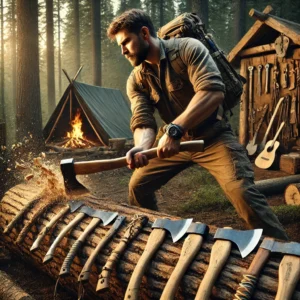
Best Bushcraft Axes: The Ultimate Guide to Choosing the Right One
When venturing into the wilderness, having the right tools is critical to survival and comfort. Among these, a bushcraft axe stands out as an essential companion. Designed for wood chopping, carving, and even building shelters, the best bushcraft axes combine durability, functionality, and portability. This guide explores the top options, factors to consider, and tips for maintaining your axe.
What is a Bushcraft Axes?
A bushcraft axe is a specialized tool designed for survival and outdoor activities, combining durability, functionality, and versatility to handle various tasks in the wild. Compared to a regular axe, a bushcraft axe is usually small and light, making it convenient to carry on adventures. Its primary uses include chopping firewood, carving, and shaping materials for shelter construction or toolmaking. Crafted with high-quality steel for the blade and materials like hickory or fiberglass for the handle, bushcraft axes are built to endure rugged conditions while providing a comfortable and efficient user experience. This tool is indispensable for outdoor enthusiasts, offering reliability and practicality for tasks that require precision and power.
History of Bushcraft Axes
The history of bushcraft axes dates back centuries and is rooted in the traditions of survival and craftsmanship. In early civilizations, axes were crafted from sharpened stones attached to wooden handles, serving as essential tools for hunting, woodcutting, and building shelters. As metallurgy advanced, axes evolved, with bronze and later iron replacing stone, improving durability and cutting efficiency. In Scandinavian and Northern European cultures, axes became symbols of survival and utility, often passed down through generations. These tools played a vital role in logging, shipbuilding, and agriculture, cementing their importance in daily life. Over time, bushcraft axes were refined to meet the needs of wilderness survival, featuring compact designs, ergonomic handles, and durable steel blades. Today, the bushcraft axe embodies traditional craftsmanship and modern innovation, making it an indispensable tool for outdoor enthusiasts and survivalists.
Key Features of a Good Bushcraft Axe
Choosing a high-quality bushcraft axe requires understanding the key features that make it suitable for wilderness use. Here are the essential characteristics to look for:
- Blade Material: A bushcraft axe blade should be made of high-carbon or Swedish steel for excellent durability, sharpness, and edge retention. These materials ensure the axe can handle heavy-duty tasks without frequent sharpening.
- Handle Material: The handle is crucial for grip and durability. Hickory is a popular choice for its shock-absorbing properties and classic feel, while fiberglass handles are known for their modern durability and resistance to weather damage.
- Weight and Size: A good bushcraft axe is lightweight enough for portability but sturdy enough for powerful chopping. Compact axes are ideal for carving and precise work, while larger ones excel at splitting logs.
- Balance and Ergonomics: A well-balanced axe provides better control and reduces user fatigue. An ergonomic handle with a slight curve offers a comfortable grip, improving efficiency during prolonged use.
- Multipurpose Design: Versatility is key. A bushcraft axe should be capable of chopping, carving, splitting, and even finer tasks like toolmaking. Multi-functionality makes it a reliable companion in survival scenarios.
Understanding these features ensures you select a bushcraft axe that meets your needs and performs reliably in various outdoor conditions.
Why a Bushcraft Axe is Essential
A bushcraft axe is more than just a cutting tool; it’s a multipurpose instrument that simplifies life in the wild. Here’s why it’s indispensable:
- Wood Processing: A bushcraft axe is essential for preparing firewood, whether splitting logs or carving smaller pieces for kindling. It allows you to efficiently process wood for cooking, warmth, and building shelters, saving time and energy.
- Shelter Building: A bushcraft axe can help you cut and shape wood into usable components when constructing a shelter to protect yourself from the elements. Its versatility makes it an invaluable tool for creating sturdy structures quickly.
- Tool Making: Crafting or repairing equipment can be a lifesaver in survival situations. A bushcraft axe can be used to carve and shape materials into functional tools, such as stakes or traps, enhancing your ability to adapt to your environment.
- Emergency Use: A bushcraft axe serves multiple emergency purposes, whether signaling for help, self-defense, or breaking through obstacles. It is a dependable choice in urgent circumstances because its sturdy build guarantees it can tolerate hard use.
Because of its many uses, a good bushcraft axe can mean the difference between surviving and thriving in the wilderness. Choosing the right axe ensures you’re well-prepared for outdoor adventure or survival challenges.
Top 7 Best Bushcraft Axes
Here are the top-rated bushcraft axes, chosen based on durability, performance, and user reviews:
| Bushcraft Axe | Key Features | Pros | Cons | Best For |
| Gränsfors Bruks Small Forest Axe | Hand-forged Swedish steel, hickory handle | Excellent craftsmanship, durable | It is expensive and needs regular maintenance | Camping, versatile tasks |
| Hults Bruk Akka Forester’s Axe | Swedish steel blade, ergonomic curved handle | Durable, rust-resistant, balanced | Heavy, costly | Precision work, wilderness use |
| Fiskars X7 Hatchet | FiberComp™ handle, compact, low-friction coating | Affordable, beginner-friendly | Limited for heavy-duty tasks | Light camping, beginners |
| Husqvarna Hatchet | Hand-forged head, leather edge cover, lightweight | Budget-friendly, versatile | The handle may need refinishing | General bushcraft, kindling |
| Condor Tool & Knife Greenland Pattern | 1045 carbon steel head, American hickory handle | Durable, classic design | Heavier than alternatives | Carving, splitting |
| Council Tool Wood-Craft Pack Axe | 5160 steel blade, treated hickory handle | Professional-grade, versatile | High price | Professionals, serious bushcraft |
| Cold Steel Trail Boss | Drop-forged 1055 steel, straight hickory handle | Affordable, strong for heavy-duty work | Frequent sharpening required | Heavy-duty outdoor tasks |
Gränsfors Bruks Small Forest Axe
Features
- Hand-forged Swedish steel head.
- Hickory wood handle for a firm grip.
- Lightweight yet powerful for chopping and carving.
Pros
- Excellent craftsmanship.
- Long-lasting blade sharpness.
- Perfect for camping and wilderness use.
Cons
- Premium price.
- Requires regular maintenance.
The Gränsfors Bruks Small Forest Axe is a favorite among bushcraft enthusiasts due to its impeccable quality and performance. Its hand-forged blade ensures each axe is unique and made to the highest standards. The Swedish steel in the blade offers incredible durability and edge retention, making it a reliable choice for heavy-duty tasks like splitting logs or carving intricate details. The hickory handle is ergonomically designed for comfort and control, reducing fatigue during extended use. However, its premium craftsmanship comes with a higher price tag, which may not suit budget-conscious buyers. Regular maintenance, such as oiling the blade and handle, is essential to preserve its quality. Despite these minor drawbacks, the Gränsfors Bruks Small Forest Axe remains a top pick for those seeking a high-performance, versatile tool for outdoor adventures.
Hults Bruk Akka Forester’s Axe
Features
- High-quality Swedish steel blade.
- Ergonomic curved handle.
- Comes with a leather sheath for protection.
Pros
- Superior balance and weight distribution.
- Durable and rust-resistant.
Cons
- Slightly heavy for extended use.
- Higher price point.
The Hults Bruk Akka Forester’s Axe combines traditional craftsmanship with modern durability, making it a reliable choice for bushcraft enthusiasts. Its Swedish steel blade is designed for precision and strength, ensuring it performs well in chopping wood or carving tasks. Made from premium hickory, the curved handle provides excellent grip and control, allowing for accurate and efficient use. Additionally, the leather sheath protects the blade and the user when not in use. While the axe’s slightly heavier design may cause fatigue during prolonged tasks, its exceptional balance helps offset this drawback. The price point is higher, but the quality and performance justify the investment for serious bushcrafters. The Hults Bruk Akka Forester’s Axe is a durable, versatile tool that excels in wilderness settings.
Fiskars X7 Hatchet
Features
- FiberComp™ handle for shock absorption.
- Hardened steel blade with a low-friction coating.
- Compact size for easy portability.
Pros
- Affordable and durable.
- Ideal for beginners.
Cons
- Less suitable for heavy-duty tasks.
The Fiskars X7 Hatchet is a compact and lightweight option, perfect for those new to bushcraft or seeking a budget-friendly axe. Its FiberComp™ handle is designed to reduce vibrations, providing a comfortable user experience even during extended use. The hardened steel blade with a low-friction coating ensures smooth cutting and minimizes the effort required for tasks like chopping or splitting wood. Despite its smaller size, the Fiskars X7 delivers reliable performance for light to medium-duty tasks. However, it may not be the best choice for heavy-duty or professional use due to its limited power and shorter handle. For beginners or campers looking for an affordable, easy-to-use axe, the Fiskars X7 Hatchet is a practical and dependable choice.
Husqvarna Hatchet
Features
- Hand-forged head with a traditional design.
- Lightweight for easy handling.
- Leather edge cover included.
Pros
Budget-friendly.
Versatile for various tasks.
Cons
- The handle may require occasional refinishing.
The Husqvarna Hatchet is a versatile and affordable tool that combines traditional craftsmanship with practical functionality. Its hand-forged head is made from high-quality steel, ensuring durability and sharpness for tasks like chopping wood, carving, or splitting kindling. Even for long periods, it is manageable due to its lightweight design. The leather edge cover adds extra safety and protection during storage. While the wooden handle provides a classic aesthetic, it may require occasional refinishing or treatment with linseed oil to maintain its integrity. Despite this minor maintenance need, the Husqvarna Hatchet offers excellent value for money and is a reliable choice for beginners and experienced bushcrafters.
Condor Tool & Knife Greenland Pattern Axe
Features
- 1045 high-carbon steel head.
- American hickory handle.
- Classic design with modern durability.
Pros
- Excellent for carving and splitting.
- Reasonably priced.
Cons
- Slightly heavier than other options.
The Condor Tool & Knife Greenland Pattern Axe blends traditional design and modern performance. Its 1045 high-carbon steel head offers excellent edge retention and durability, making it ideal for carving and splitting wood. The American hickory handle is sturdy and provides a comfortable grip for precise control. While the axe’s slightly heavier design may require more effort during extended use, it delivers exceptional performance for its size. The classic aesthetic and reliable functionality make the Condor Tool & Knife Greenland Pattern Axe a great addition to any bushcraft toolkit. This model is a solid choice for those seeking a durable and versatile axe at a reasonable price.
Council Tool Wood-Craft Pack Axe
Features
- 5160 steel blade for superior strength.
- Dual-function head for chopping and carving.
- Treated hickory handle.
Pros
- High-quality construction.
- Great for professional bushcrafters.
The Council Tool Wood-Craft Pack Axe is a premium option for serious bushcraft enthusiasts and professionals. Because of its remarkable strength and endurance, its 5160 steel blade is well-suited for demanding jobs like cutting big logs or carving complicated patterns. The dual-function head enhances its versatility, allowing it to handle a wide range of functions quickly. Its handle is made of treated hickory, which increases its longevity and offers a pleasant grip for prolonged usage. While the higher price point may be a deterrent for casual users, the quality and performance of this axe make it a worthwhile investment for those who require a dependable and versatile tool in the wilderness.
Cold Steel Trail Boss
Features
- Drop-forged 1055 carbon steel head.
- Straight-grain hickory handle.
- Balanced weight for precision cutting.
Pros
- Affordable and robust.
- Suitable for heavy-duty tasks.
Cons
- Requires frequent sharpening.
The Cold Steel Trail Boss is an affordable and robust axe perfect for heavy-duty tasks in the wilderness. Its drop-forged 1055 carbon steel head offers excellent strength and durability, ensuring it can handle rigorous use. The straight-grain hickory handle provides a secure grip and enhances control during precise cutting tasks. However, the blade may require frequent sharpening to maintain its performance, especially after prolonged use. Even with this minor flaw, the Cold Steel Trail Boss is an excellent tool for the price and a solid option for novice and expert bush artisans looking for a trustworthy tool for tough jobs.
How to Choose the Best Bushcraft Axe
Choosing the right bushcraft axe involves considering several key factors:
Material Quality
- Blade: Choose Swedish steel or high-carbon steel for durability and sharpness. Because of its reputation for maintaining a sharp edge, high-carbon steel is perfect for precise jobs like splitting and cutting. On the other hand, Swedish steel is renowned for its toughness and rust resistance, ensuring longevity even in harsh conditions.
- Handle: Look for hickory or fiberglass handles for longevity and comfort. Hickory handles offer a classic feel and natural shock absorption, while fiberglass handles provide modern durability and resistance to weather-related damage.
Size and Weight
- A compact axe is easier to carry but may lack the power for heavy tasks. More minor axes are ideal for lightweight camping trips or as a secondary tool in your bushcraft kit.
- Larger axes are better for chopping but can be cumbersome for fine work. They are best suited for requiring significant wood processing, such as building shelters or preparing large amounts of firewood.
Design and Balance
- Ensure the axe has a well-balanced head and handle for ease of use. A well-balanced axe reduces fatigue and improves efficiency during extended tasks.
- A curved handle offers better grip and control, making it easier to perform precise cuts or carving.
Purpose
- Consider the primary use, whether carving, chopping, or splitting. Some axes are designed for specific tasks, while others are versatile enough to handle a variety of functions.
- Multipurpose axes offer versatility but may not excel at specific tasks. Choose an axe that aligns with your primary bushcraft needs.
Price
- Premium axes are a wise investment for experts or frequent users because they frequently offer exceptional quality and lifespan.
- Budget-friendly options are great for beginners or occasional users who want a reliable tool without breaking the bank.
Maintenance Tips for Bushcraft Axes
Proper maintenance ensures your bushcraft axe stays functional and safe:
Clean After Use
- Wipe off dirt and moisture to prevent rust. After every usage, properly wipe the handle and blade with a soft cloth.
- If necessary, use a mild detergent to remove sap or obstinate dirt. Avoid abrasive cleaners that could damage the blade’s finish.
Sharpen Regularly
- Use a file or sharpening stone to keep your edge sharp. Regular sharpening improves performance and reduces the risk of accidents caused by a dull blade.
- To prevent harming the blade, sharpen it at the proper angle. Follow the manufacturer’s guidelines or consult a professional if unsure.
Oil the Blade
- Apply a thin coating of oil to prevent rust. Linseed oil or specialized blade oils work well for this purpose.
- Store it somewhere dry to reduce the axe’s exposure to moisture, which might cause rust or handle damage.
Inspect the Handle
- Check for cracks or splinters regularly. Repair any damage right away to avoid future deterioration or any mishaps.
- Sand and treat wooden handles with linseed oil for longevity. This not only protects the wood but also enhances its grip and appearance.
Store Properly
- Protect the blade with a leather sheath. A sheath prevents accidental cuts and shields the blade from environmental elements.
- Keep the axe in a superb, dry location away from direct sunlight. Prolonged exposure to heat or moisture can weaken the handle and degrade the blade’s performance.
Bushcraft Axes vs. Hatchets
Bushcraft axes and hatchets are often compared, as they share similarities but serve distinct purposes. Selecting the best tool for your needs requires an understanding of their differences:
- Size and Weight: Bushcraft axes are typically larger and heavier than hatchets, providing more power for chopping and splitting larger logs. On the other hand, hatchets are smaller and lighter, making them ideal for portability and quick, light-duty tasks.
- Handle Length: The more extended handle of a bushcraft axe allows for greater leverage and force, making it better suited for heavy-duty tasks like felling trees or splitting thick logs. With shorter handles, Hatchets are more straightforward for precision tasks like carving or splitting kindling.
- Versatility: While bushcraft axes are designed for various survival tasks, including chopping, carving, and building shelters, hatchets excel in more minor, detailed work and are often considered a more compact, secondary tool.
- Use Case: Bushcraft axes are ideal for extended wilderness trips or requiring a multi-functional tool for heavy-duty tasks. Hatchets are better suited for short camping trips or as a lightweight backup tool.
In summary, bushcraft axes and hatchets have their place outdoors. Choosing between them depends on the nature of your adventure, the tasks you expect to perform, and your preference for size and portability.
FAQs
What is a bushcraft axe used for?
A bushcraft axe is used for chopping wood, carving, splitting logs, building shelters, and other survival tasks in the wilderness.
What makes a good bushcraft axe?
A good bushcraft axe features high-quality blade material (like high-carbon steel), a durable handle (hickory or fiberglass), and a balanced, ergonomic design.
How is a bushcraft axe different from a hatchet?
Bushcraft axes are larger and more versatile, ideal for heavy-duty tasks. Hatchets are smaller and lighter, better for precise or light-duty work.
How do I maintain my bushcraft axe?
Clean it after use, sharpen it regularly, oil the blade, inspect the handle for damage, and store it in a dry place with a sheath.
Are expensive axes worth it?
Premium axes often offer better durability, performance, and longevity, making them worth the investment for frequent or severe users.
Conclusion
A bushcraft axe is vital for outdoor enthusiasts, offering unmatched versatility and reliability. Whether you’re a seasoned survivalist or a beginner camper, investing in the right axe can significantly enhance your wilderness experience. You can find the perfect bushcraft axe to suit your needs by considering factors like material, size, and purpose. Remember, proper maintenance ensures your axe remains a dependable companion for years.
Ready to choose your bushcraft axe? Explore our top recommendations and embark on your next outdoor adventure with confidence!